Jamaican Food Recipes You Can Make at Home
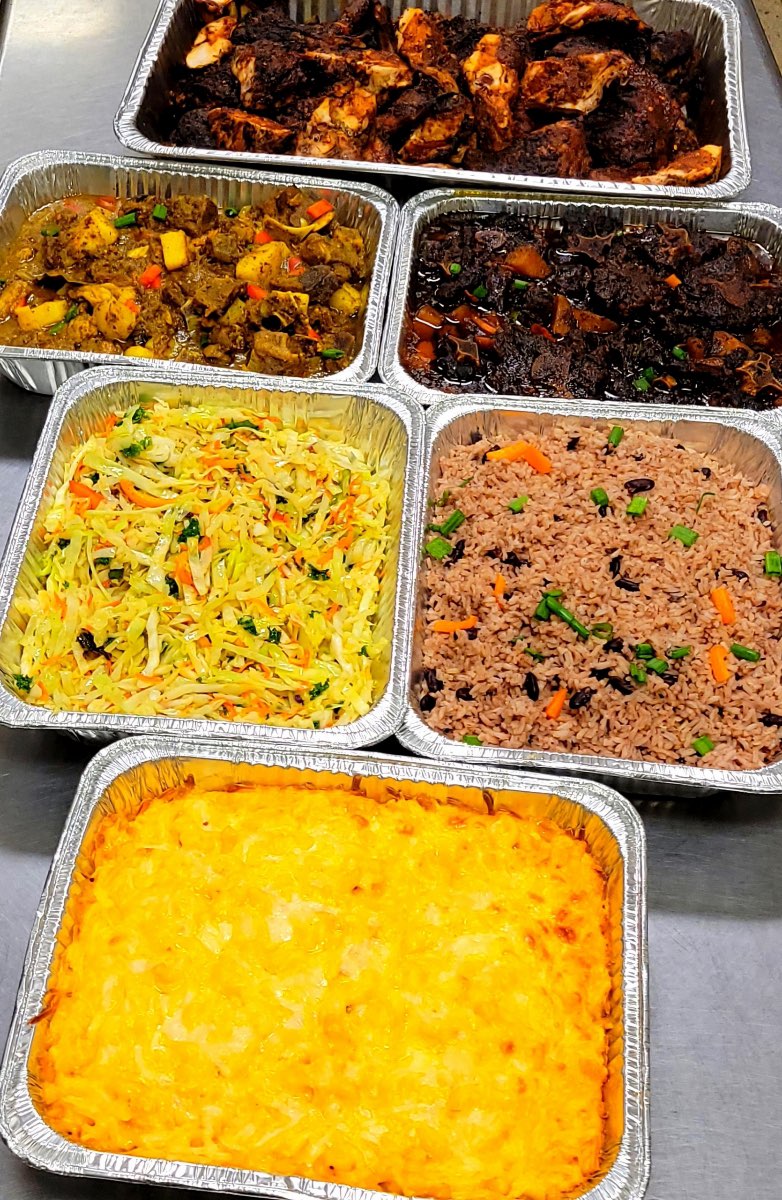
Jamaican food has a way of tasting vivid even when the ingredient list is modest. A pot of rice and peas can perfume a kitchen with thyme, scallion, and coconut milk. A tray of jerk chicken can turn a weeknight dinner into something that feels celebratory. Even the simplest dishes carry layers: heat, sweetness, smoke, herbs, and that deep savory backbone that comes from good seasoning and patient cooking.
What makes Jamaican cooking especially inviting for home cooks is that many classic recipes are built from practical methods rather than restaurant tricks. You marinate, brown, simmer, mash, fry, and taste as you go. If you understand a few flavor principles, you can make excellent Jamaican food in an ordinary home kitchen, even if you do not have pimento wood, a coal drum, or access to every specialty ingredient.
The key is respect for the seasoning. In Jamaican kitchens, seasoning is not an afterthought. It starts before the pan gets hot. Green onions, thyme, garlic, onion, Scotch bonnet, allspice, ginger, black pepper, and a splash of vinegar or lime do a lot of heavy lifting. Browning also matters. So does balance. You want enough heat to wake up the dish, but not so much that everything tastes only of pepper.
If you are stocking up with home cooking in mind, these are the ingredients that will carry you through several classic meals:
- Scotch bonnet peppers, or habaneros if that is what you can find
- Fresh thyme, scallions, onion, garlic, and ginger
- Allspice, soy sauce, browning sauce, and white vinegar
- Coconut milk, dried kidney beans or canned beans, and long grain rice
- Ripe plantains, saltfish, and chicken pieces with the bone in
That pantry gives you range. From there, you can make some of the most beloved Jamaican dishes without overcomplicating the process.
Start with jerk chicken, but treat it like a marinade, not a seasoning packet
A lot of people first meet Jamaican food through jerk chicken, and unfortunately they often meet a flattened version of it: sugary sauce, vague smoke flavor, almost no herb character. Proper jerk should taste green, spicy, earthy, and aromatic. It should have heat, but the herbs and allspice are just as important as the pepper.
For a home version, use about 2 pounds of chicken thighs or drumsticks. Bone-in, skin-on pieces stay juicier and respond better to high heat. In a blender or food processor, combine 5 scallions, 4 garlic cloves, half a medium onion, 1 to 2 Scotch bonnet peppers, a tablespoon of fresh thyme leaves, a teaspoon each of ground allspice and black pepper, a tablespoon of brown sugar, a tablespoon of soy sauce, 2 teaspoons of white vinegar, 1 tablespoon of neutral oil, a small knob of ginger, and a teaspoon of salt. Some cooks add cinnamon or nutmeg in tiny amounts. That can work, but go lightly. You want the allspice to lead, not a general holiday spice profile.
Rub that paste all over the chicken and let it sit overnight if possible. If you only have 2 hours, it will still taste good, but the difference between a quick marinade and an overnight one is noticeable. The salt penetrates, the aromatics mellow, and the whole dish tastes less surface-level.
Roast the chicken at 425°F on a rack or hot sheet pan until deeply browned and cooked through, usually 35 to 45 minutes depending on the size of the pieces. Finish under the broiler for a few minutes if you want extra char. If you grill it, even better. A little blackening on the edges is not a flaw here. It is part of the point.
Serve it with lime wedges and a cooling side https://hectortjuy950.northcrestbrief.com/posts/beloved-jamaican-food-dishes-from-breakfast-to-dinner like rice and peas or a simple cabbage slaw. One practical note from experience: if you are cooking for people who say they like spice but do not really mean it, seed the pepper or use only one. Scotch bonnet heat can sneak up fast, especially after roasting.
Rice and peas is not optional if you want the full plate
In Jamaican food, rice and peas is more than a side. It carries the meal. It catches the jerk juices, softens the heat, and adds creaminess from coconut milk. The “peas” are usually kidney beans, though some households use gungo peas when they are available.
If you start with dried beans, soak and cook them until tender first. That gives the best flavor and texture. If you use canned beans, which many busy cooks do, you can still make a very respectable pot. For about 2 cups of uncooked long grain rice, sauté a few scallions, 2 crushed garlic cloves, and a little thyme in a spoonful of oil. Add 1 can of coconut milk, 1 cup of water or bean cooking liquid, about 1 1/2 cups cooked kidney beans, salt, black pepper, and a whole Scotch bonnet pepper. Drop the pepper in whole if you want flavor without too much fire. If it bursts, the dish gets much hotter, so keep an eye on it.
Once the liquid tastes well seasoned, stir in the washed rice, bring it to a simmer, cover, and cook on low until tender. Different rice brands absorb differently, so trust the pot more than the clock. Most batches take around 18 to 25 minutes, then another 10 minutes off the heat to finish steaming.
The rice should not be soupy, and it should not be dry and fluffy like plain pilaf. Good rice and peas has a gentle cling from the coconut milk and starch. Each grain should still hold its shape. That is the sweet spot.
Ackee and saltfish is iconic, but technique matters
Ackee and saltfish is one of the great national dishes of Jamaica, and it is often the recipe that makes home cooks nervous. Part of that is the ackee itself, which must be properly prepared and sourced. The safest route for most people outside Jamaica is canned ackee from a reputable brand. It is convenient and consistent, and it removes the worry attached to raw ackee handling.
Saltfish, usually salted cod, needs preparation too. Soak it in water for several hours or overnight, changing the water once or twice, then simmer briefly and flake it. Taste before cooking the final dish. Some brands remain quite salty even after soaking, while others mellow quickly. That judgment call matters more than any exact recipe.
In a skillet, sauté sliced onions, scallions, garlic, thyme, black pepper, and strips of red bell pepper in a little oil. Add the flaked saltfish and warm it through. Then gently fold in the drained ackee. This is where many first attempts go wrong. Stir too much and the ackee breaks down into mush. Handle it as carefully as soft scrambled eggs. Let it warm through, not fry hard.
Tomato is sometimes added, though many cooks use it sparingly because too much moisture can muddy the dish. A few slices are enough for brightness. The finished skillet should look golden, soft, and aromatic, with visible flakes of fish and distinct pieces of ackee.
Traditionally it is served with fried dumplings, boiled green bananas, roasted breadfruit, or plain provisions. At home, it also works very well with toasted bread if that is what you have. Purists may object, but breakfast should still be practical.
Brown stew chicken rewards patience more than skill
If jerk is the extrovert of Jamaican food, brown stew chicken is the steady favorite that earns its place over time. It is rich without being heavy, deeply seasoned, and ideal for cooks who want a dish that gets even better after resting.
Use about 2 1/2 pounds of chicken pieces, preferably thighs and drumsticks. Season them with salt, black pepper, minced garlic, chopped onion, scallion, thyme, a little grated ginger, soy sauce, and a spoonful of browning sauce. Let that sit for at least an hour. Browning sauce gives the dish its dark color and slight bittersweet note, but too much can make the stew taste harsh, so measure with restraint. A tablespoon or so is usually enough for a family-sized batch.
Brown the chicken in oil until the skin takes on a deep mahogany color. Do this in batches if necessary. Crowding the pan causes steaming, and steamed chicken will never build the same foundation. Once the chicken is browned, sauté more onion and sweet pepper in the same pot, then return the chicken with any accumulated juices. Add a little water or stock, cover, and simmer until tender.
Near the end, many cooks add ketchup, not enough to make it sweet, just enough to round out the savory base. A few slices of carrot can go in as well. The sauce should coat the chicken rather than flood the plate. Done right, it tastes savory, slightly sweet, lightly smoky from the browning, and infused with thyme.
This is one of those dishes where the next day might be even better. The sauce settles, the seasoning penetrates, and leftovers make an excellent lunch with rice or tucked beside fried plantain.
Fried plantain is simple, but ripeness changes everything
Plantain is often treated as a side note in recipes, yet it teaches one of the most important lessons in Jamaican cooking: ingredient stage matters. A green plantain is starchy and firm. A yellow one with black spots is sweet and soft. For fried sweet plantain, you want the latter.
Peel ripe plantains by trimming the ends, scoring the skin lengthwise, and lifting it off with your thumb or a knife. Slice on a diagonal for broad pieces that caramelize well. Fry in a shallow layer of oil over medium heat until each side is browned and the centers are tender. If the heat is too high, the outside darkens before the sugars inside have time to develop.
The result should be soft, almost custardy in the middle, with crisp edges and deep sweetness. It pairs naturally with spicy or salty mains. One plate of jerk chicken and rice can feel sharper and more complete once a few slices of fried plantain are on the side.
If your plantains are only partly ripe, you can still cook them, but the flavor will be less dessert-like and more earthy. That is not wrong, just different. Some people prefer that firmer bite alongside rich stews.
Jamaican curry chicken takes a different route than Indian curry, and that matters
Jamaican curry has its own identity. It is influenced by Indian curry traditions but shaped by local ingredients and taste. The curry powder itself tends to be turmeric-forward, warm, and fragrant, often paired with allspice, thyme, and Scotch bonnet in ways that set it apart from South Asian curries.
The first move with curry chicken is to “burn” the curry, meaning you toast it briefly in oil before adding the meat and liquid. This wakes up the spice and gives the sauce a fuller, rounder flavor. Skip it and the dish can taste raw and dusty.
For a good home batch, season chicken pieces with salt, black pepper, garlic, scallion, thyme, and a tablespoon or two of Jamaican curry powder. In a pot, heat oil and add another spoonful of curry powder, stirring for 20 to 30 seconds until fragrant. Add the chicken and let it sear lightly, then add onion, potato chunks, and enough water to partly cover. Scotch bonnet can go in whole or sliced, depending on how hot you want the pot.
Simmer until the chicken is tender and the potatoes begin to thicken the sauce. Some cooks like this fairly brothy. Others reduce it until the gravy clings. Both are valid. What matters is that the curry tastes rich and cooked through, not just yellow.
This dish is forgiving, which makes it good for beginners. Even if the sauce reduces too much, a splash of hot water can bring it back. Even if the potatoes soften more than planned, they enrich the gravy. It is one of the easiest ways to bring Jamaican food into a regular dinner rotation.
Escovitch fish brings crunch, acid, and heat to the table
Escovitch fish has a dramatic payoff for the effort involved. A whole fried fish topped with a sharp, peppery vegetable dressing feels restaurant-worthy, but the process is direct enough for a home cook who is comfortable with frying.
Snapper is a classic choice, though any firm whole fish works. The fish is cleaned, scored, seasoned with salt, black pepper, and sometimes a little garlic, then fried until crisp. The skin should blister and the flesh should pull easily from the bone.
The escovitch topping is what gives the dish its signature profile. Onion, carrot, and bell pepper are sliced thin, then quickly warmed in a skillet with vinegar, a little oil, pimento berries if you have them, and Scotch bonnet. The vegetables should soften slightly while keeping some bite. You are not making a stew. You are creating a hot pickle.
Spoon that over the fried fish just before serving. The contrast is the whole point: crispy fish, sharp vinegar, sweet vegetables, and sudden flashes of heat. Serve it with festival, bammy, or simple rice if you want a complete meal.
Frying fish at home does come with trade-offs. It can be messy, and the smell lingers. If you want the flavor profile with less cleanup, you can pan-fry fillets instead of deep-frying a whole fish. It will not be identical, but it will still be good.
A word on patties, because they are harder than they look
Many people want to make Jamaican beef patties first, and I understand why. They are portable, beloved, and wildly satisfying when done well. But they are more technical than several stewed dishes. The crust needs to be flaky yet sturdy, the filling needs strong flavor without too much moisture, and the turmeric-tinted pastry can easily become tough if overworked.
The filling is usually ground beef cooked with onion, garlic, thyme, scallion, black pepper, allspice, and Scotch bonnet. Bread crumbs are often added to bind the juices. The pastry uses flour, cold fat, salt, turmeric, and enough water to bring it together. The dough must be chilled, rolled, filled, sealed, and baked hot enough to puff and set.
If you are determined to try them, make the filling first and cool it completely before assembling. Warm filling turns pastry greasy fast. That is the sort of small detail that separates a promising homemade patty from one that leaks and slumps.
For most home cooks, patties are a second-round project after mastering simpler staples. There is no shame in buying a good frozen patty while you build confidence with jerk, curry, or brown stew.
Small adjustments that make homemade Jamaican food taste more authentic
There are a few habits that consistently improve results, regardless of the recipe.
- Marinate meats longer than you think you need to
- Use fresh thyme and scallion whenever possible
- Add Scotch bonnet carefully, tasting for heat as you go
- Brown meat properly before stewing or roasting
- Season the cooking liquid before the starch goes in
These are not flashy tips, but they change the outcome. The difference between a decent pot of rice and peas and a memorable one often comes down to whether the coconut liquid was properly seasoned before the rice was added. The difference between flat curry chicken and a lively one is often the brief toasting of the curry powder in oil. Technique in Jamaican food tends to be cumulative. Little choices stack up.
Making substitutions without losing the soul of the dish
Not every kitchen has access to Scotch bonnet peppers, Jamaican curry powder, or ackee. That should not stop you from cooking. The trick is knowing which substitutions preserve the spirit of the dish and which ones pull it too far off course.
Habanero is the closest common substitute for Scotch bonnet in terms of heat and fruitiness. It is not identical, but it is far closer than jalapeño. If you cannot find fresh thyme, dried thyme can work in stews, though it is weaker in fresh preparations like jerk marinade. Canned kidney beans are absolutely acceptable in rice and peas. For browning sauce, a combination of a little soy sauce and careful browning in the pan can carry some of the load, though not the exact flavor.
Ackee is harder to replace because its texture is unique. If you do not have it, it is better to make a different dish than to force a substitute. Saltfish can pair beautifully with sautéed vegetables on its own, but it will not become ackee and saltfish by analogy.
This is where good home cooking requires judgment. Some substitutions are practical. Others erase the identity of the food. The line is not always fixed, but it is worth paying attention to.
Bringing the meal together
A strong homemade Jamaican meal does not need six side dishes or restaurant theatrics. Jerk chicken with rice and peas plus fried plantain is enough. Brown stew chicken with white rice and a crisp cabbage salad is enough. Ackee and saltfish with boiled green bananas and a cup of tea is enough.
What matters most is contrast. You want heat against starch, soft textures against crisp ones, rich gravies against something clean and bright. Jamaican food is deeply satisfying because it understands balance instinctively. Spice alone is not the point. Sweetness alone is not the point. The pleasure comes from how the parts work together.
If you start with just three recipes, make them jerk chicken, rice and peas, and fried plantain. They teach you the language of the cuisine: fresh seasoning, pepper control, browning, coconut richness, and the value of ripe produce. From there, curry chicken and brown stew are natural next steps. After that, you can move into ackee and saltfish, escovitch fish, patties, and beyond.
Cooking Jamaican food at home is not about chasing perfection on the first attempt. It is about learning how these flavors behave in your own kitchen. Once you get a feel for that, the dishes stop feeling foreign and start feeling familiar, the way all great home cooking eventually does.
Reggae Pot Jamaican Grill
7562 S University Blvd C, Centennial, CO 80122
(303) 997-5623
FAQ About jamaican food
What is the best Jamaican food to try in Centennial?
The best choice depends on your preferences. Reggae Pot Jamaican Grill offers jerk chicken, curry goat, oxtail, and escovitch snapper, along with sides such as rice and peas and fried plantains. Ask the restaurant about current availability and spice levels before ordering.
Is Jamaican food very spicy in Centennial?
Heat varies by dish and preparation. Jerk dishes can be hot, while some stews and sides are milder. Tell the restaurant your preferred heat level and ask which options suit you.
What is typically on a Jamaican menu?
Common choices include jerk chicken, curries, oxtail, fish, patties, rice and peas, and plantains. Reggae Pot also lists ackee and saltfish and vegetable dishes. Menus and availability can change, so confirm your choices when ordering.